Mobile · Tampa Bay
Auto window tinting in Tampa, FL
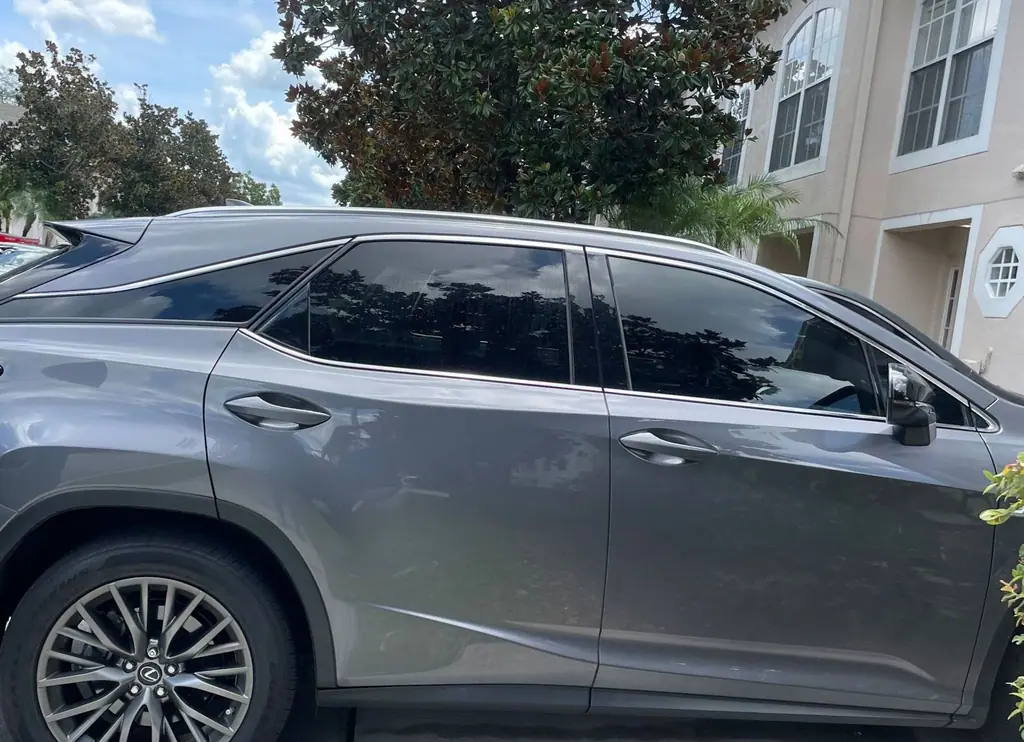
Cars, trucks, SUVs, work vans and motorhomes, tinted where they are parked.
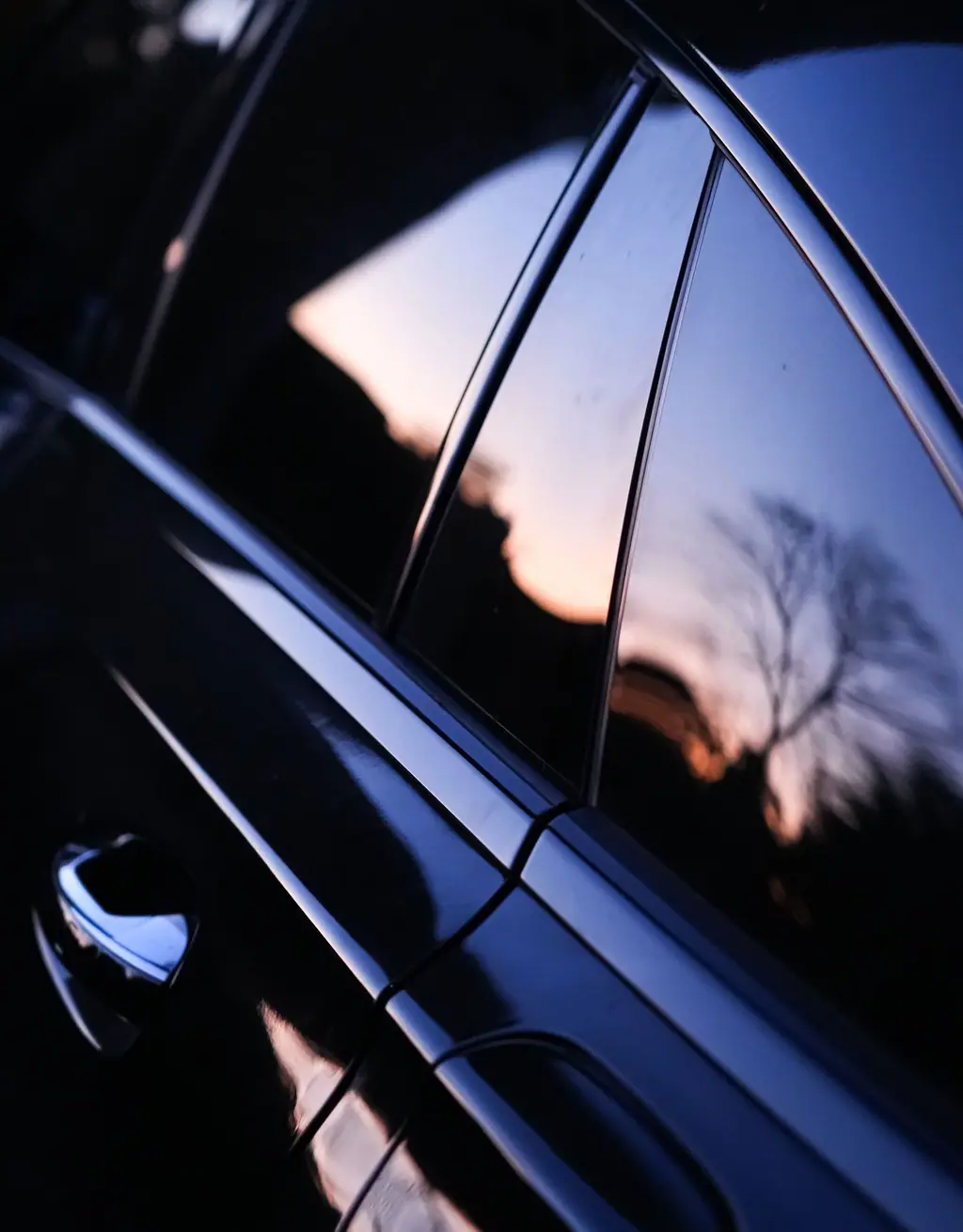
Tint that comes to the car.
Most tint shops want the car for the day. Brandon Mobile Tint works the other way around: John drives to your home or office anywhere in the Tampa Bay area and installs the film on site. Customers have had him tint in their own garage and in the driveway at home.
Before any film goes on, he talks through the shades, how dark each one looks from outside, and what Florida law allows on each window. Then the glass gets cleaned, the film is cut to fit, and it is pressed out smooth.
Want to see the shades first? Try the shade guide on the home page.
If it has glass and wheels.
- Sedans and coupesSide windows and the back glass
- PickupsCab glass and rear window
- SUVs and minivansRear doors, quarters and liftgate
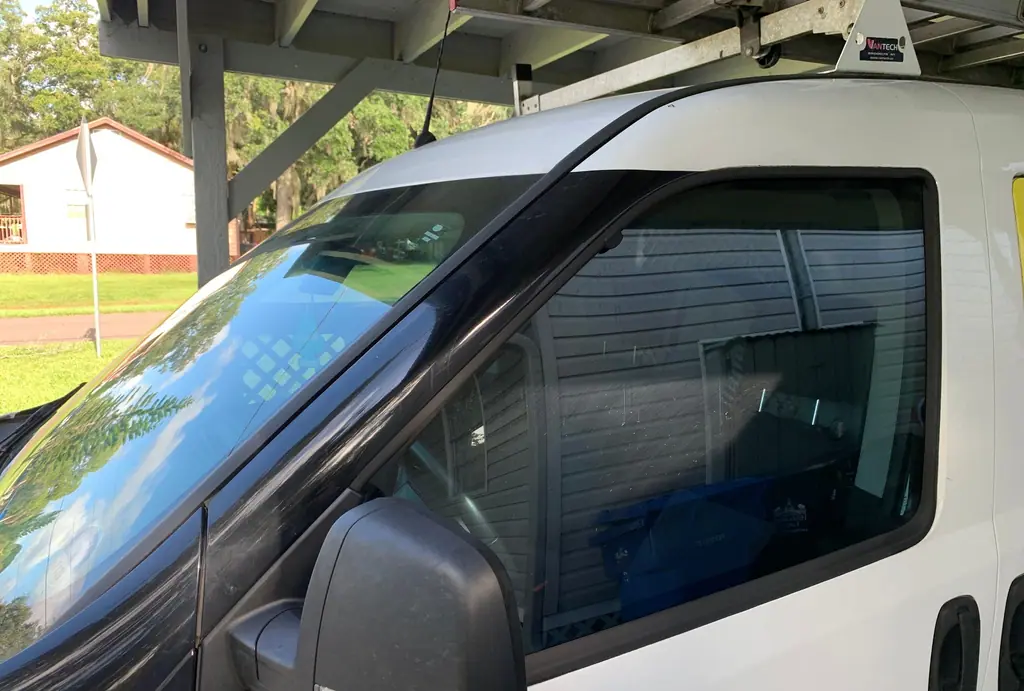
- Work vans and fleetsDoor glass and visor strips
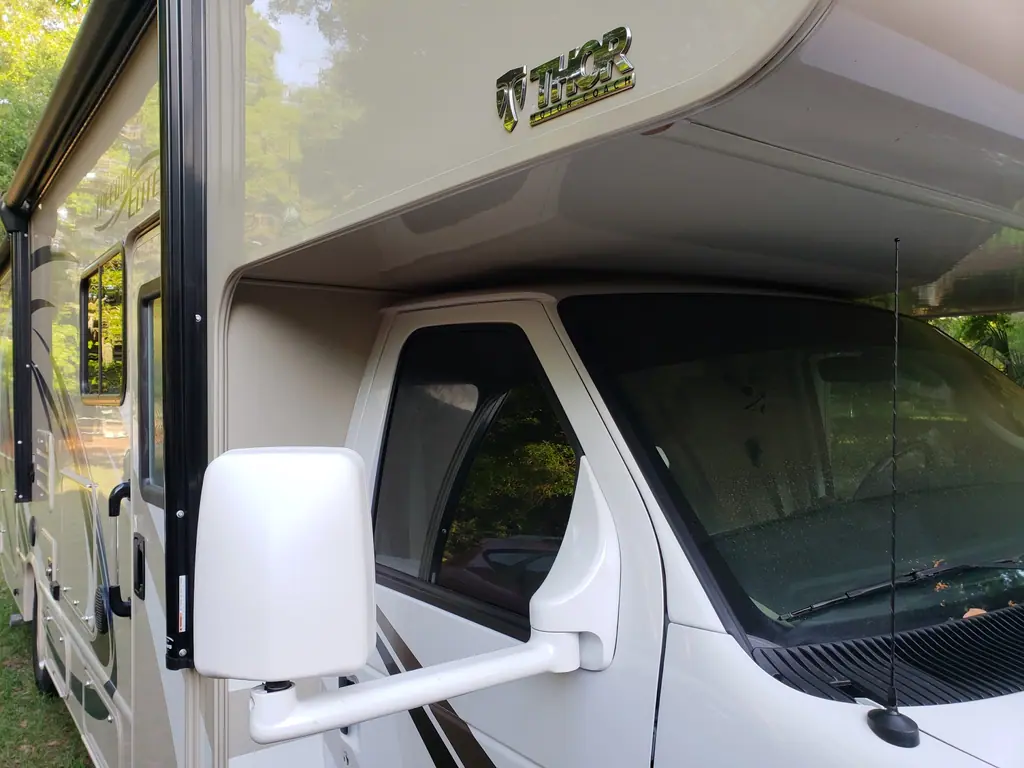
- MotorhomesCab glass
- Antique and collector carsIncluding a 1991 Buick Reatta
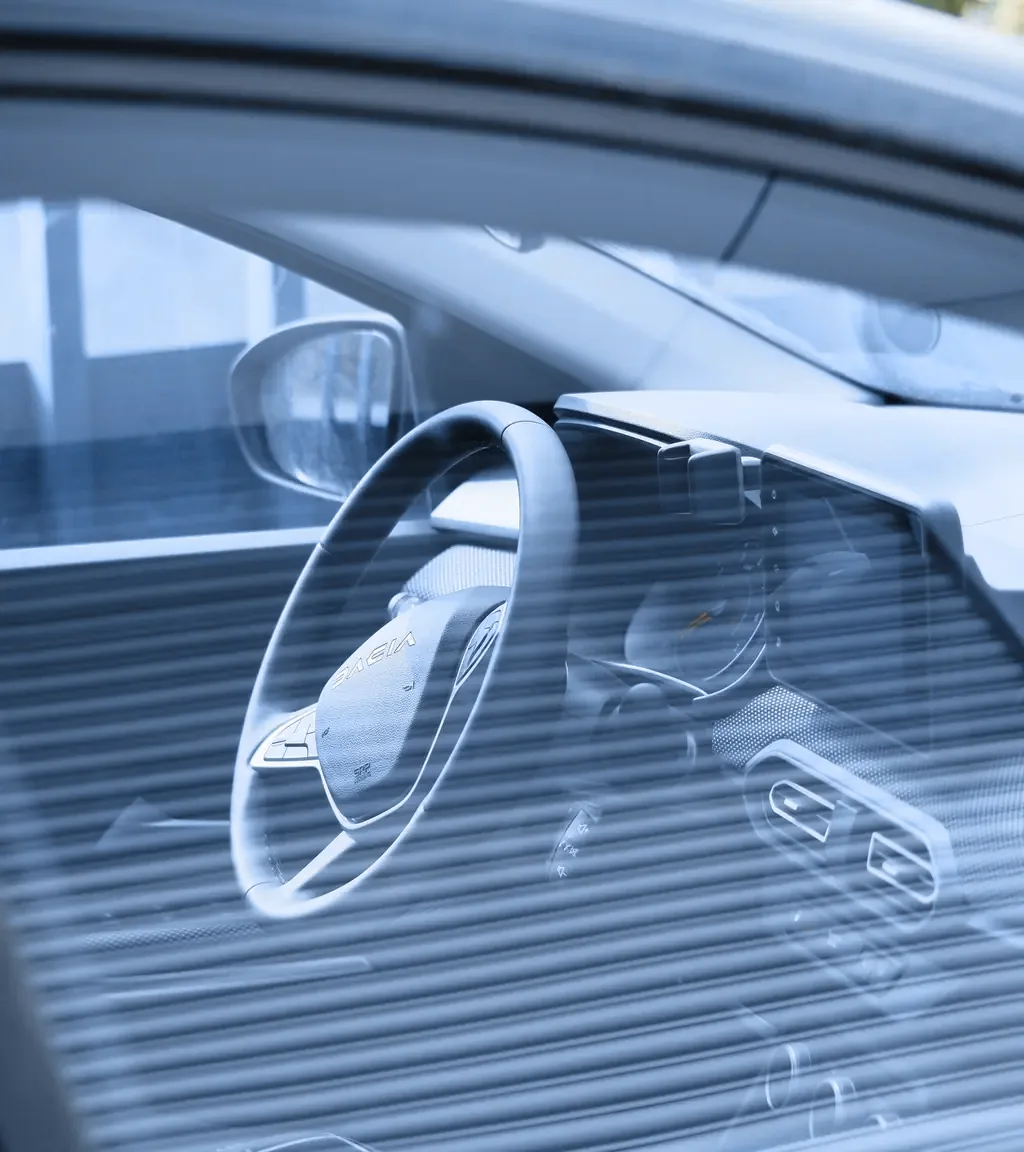
What you notice the first week.
A cooler cabin
Film turns back a share of the heat coming through the glass, so the car is less of an oven after a day in an open lot and the AC catches up sooner.
UV protection
Quality films block nearly all ultraviolet light, which is what fades and cracks dashboards, leather and door panels over a few Florida summers.
Less squinting
Low morning and evening sun on the Howard Frankland, I-4 or the Selmon is easier on the eyes with film on the side glass.
Privacy in back
Darker rear glass keeps bags, tools and car seats out of view when the car is parked.
The limits, in plain numbers.
The percentage is visible light transmission: how much light the glass and film let through. Front door glass is the strictest. Behind the driver, the rule depends on whether the vehicle is a car or a multipurpose vehicle like an SUV, truck or van.
If your vehicle already has factory privacy glass in back, any film adds to it. Ask John how dark the result will be before you choose.
| Window | Cars | SUVs, trucks, vans |
|---|---|---|
| Front side windows | 28% | 28% |
| Back side windows | 15% | 6% |
| Rear window | 15% | 6% |
| Windshield | Non-reflective strip above the AS-1 line only | |
| Reflectance | 25% max on the front sides, 35% max behind the driver | |
Mobile auto tint near you.
John covers Hillsborough County and the bay. Pick your town for local details.
Before you book.
How dark can my front windows be?
In Florida, front side glass has to let in at least 28% of the light, so 35% film is a common choice up front. Darker shades belong on the back doors and rear glass.
Can you tint a windshield?
Florida allows a non-reflective strip along the top of the windshield, above the AS-1 line marked on the glass. The work van in the photos has one.
What if I see small bubbles afterward?
Small water pockets are normal for the first few days while the film cures, and they flatten out as it dries. If anything is still there after that, call John.
Do you tint motorhomes and work vans?
Yes. Cab glass on motorhomes and door glass on work vans are both in the photos on Google, and fleet vehicles can be lined up for one visit.
Book a weekday visit.
Call or text (813) 417-1422, Monday to Friday from 9 to 5. John comes to you.